Historical Background
A Market Itching for Conflict
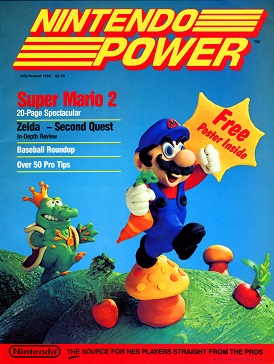
Following the 1983 crash caused by an oversaturation of poorly developed games and hardware, the Nintendo Entertainment System (NES) restored faith in home gaming, causing Nintendo to hold a near monopoly over the American gaming industry. This allowed for centralized control over its cultural messaging. Nintendo chose which games appeared on its system, and in-house publications like Nintendo Power were essentially official propaganda, teaching fans how to play and what to be excited about. Gaming communities were formed around these, but they lacked opposition. Without competition, there was little reason for fans to argue, or organize themselves as distinct groups.
This stability meant for and era within the creation of early gaming fandoms that were enthusiastic but passive. There was no need for online debate because disagreement was not necessary since everyone was on the same team. That would change dramatically once Sega challenged Nintendo’s authority, not just with a new console, but with a differing philosophy that defined “fandom” as an idea of self-expression.
Sega Rewrites the Tone of Gaming
Sega’s marketing approach for Genesis was revolutionary because it made a purchasing decision into rebellion against the status quo. Nintendo symbolized bright, “child-like colors”, predictable fun, and family friendly characters while Sega positioned itself as the edgier, older, rebellious alternative.
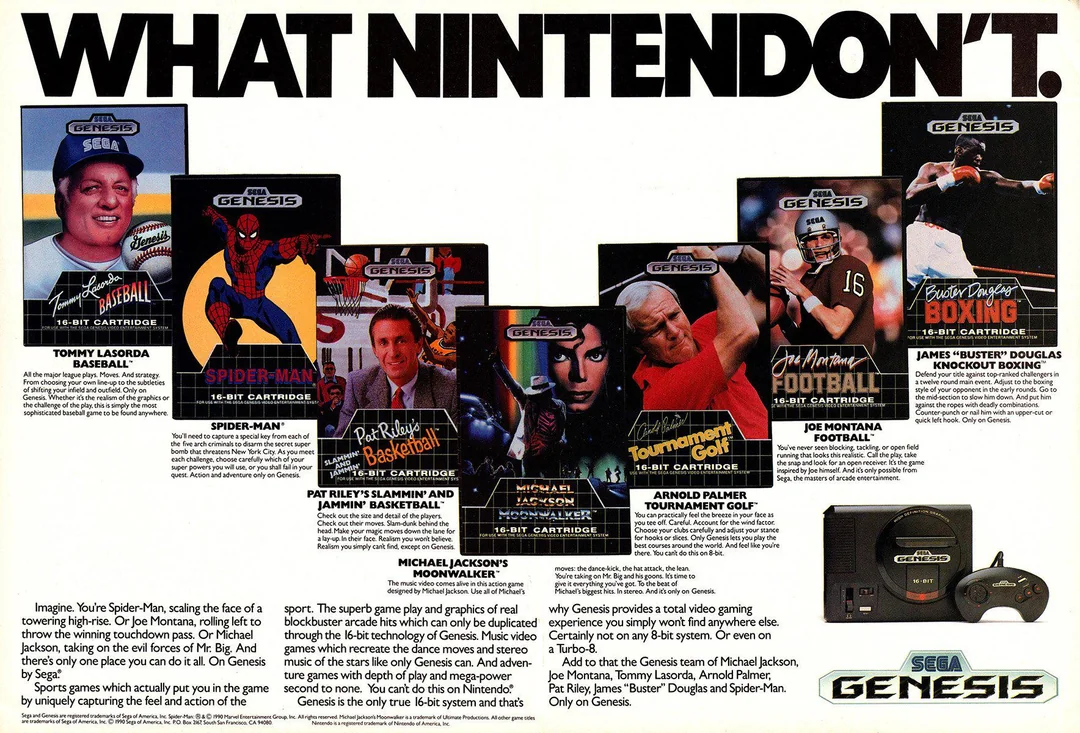
As stated by Guillermo Romero in a marketing analysis for Medium, "Sega became known for being on the outright offensive, never failing to take a shot at Nintendo through its advertising whenever they had the chance". The bold slogan “Genesis Does What Nintendon’t” openly mocked the industry leader and was one of the first direct attack marketing campaigns in gaming. Their TV ads adopted a style reminiscent of MTV’s fast paced editing and loud energy, most famously the “SEGA scream” campaign, where SEGA would directly state how cool their platform was compared to the competition, shouting the company name at the viewer at the end. These ads never described technical details, but posed the question: Are you cool enough for Sega?
Sonic the Hedgehog became the figurehead of this attack. His attitude was informed by early-90s pop culture icons. His sneaker’s buckles referenced Michael Jackson’s boots in the music video for “Bad”, while his confident posing and smirk were inspired by President Bill Clinton’s “can do” attitude. Even his impatient stance when a player waited too long suggested that Sega fans didn’t have time to stand around like Mario By making fans feel like choosing Sega meant rejecting the norm, the company created a tribal dynamic that later became fundamental to online platforms, where your allegiance determined your personality

Cultural Shift Begins
Console Rivalry Goes Online
When the Super Nintendo Entertainment System (SNES) launched in 1991, the rivalry fully ignited, not only in magazines and TV like before, but within the early public forums and sites. Americans were now getting access to home dial-up internet in the early 1990s, and gaming communities became some of the earliest digital social spaces.
Usenet groups like rec.games.video.sega and rec.games.video.nintendo hosted debates discussing which console had superior hardware. Sega fans hailed "blast processing", a marketing term related to the efficiency of the Genesis's graphics processor, which developed a large presence on forums, whereas Nintendo fans bragged about the SNES's "Mode 7" rotation effect in games Pilotwings and F-Zero. These arguments became the blueprint for modern online dialogue where spec sheets and benchmark graphs turn into argumentative evidence.
One major flashpoint was Mortal Kombat (1992). Nintendo, worried about their family friendly image, removing the blood from the SNES version, however, Sega left it hidden behind the now legendary A-B-A-C-A-B-B code. Online discussions quickly spread the secret, contributing to the Genesis port of the game selling nearly the same number of copies as the SNES port, despite the SNES being the more popular console. This change toward fans communicating to influence market outcomes showcased the power that communities on the internet wielded.
Sony Joins the Battle
Sony’s arrival created the transition of gaming from being more akin to a toy into mainstream entertainment for all ages. They began after a collapsed partnership with Nintendo over the “Play Station” CD-ROM project, which itself was a massively discussed early online leak topic. Sony used the hardware they developed and launched the PlayStation in 1995 with a bold message, games were now for young adults. Their marketing featured techno music, nightclub visuals, and surrealist ads that placed the PlayStation as part of modern adult culture.
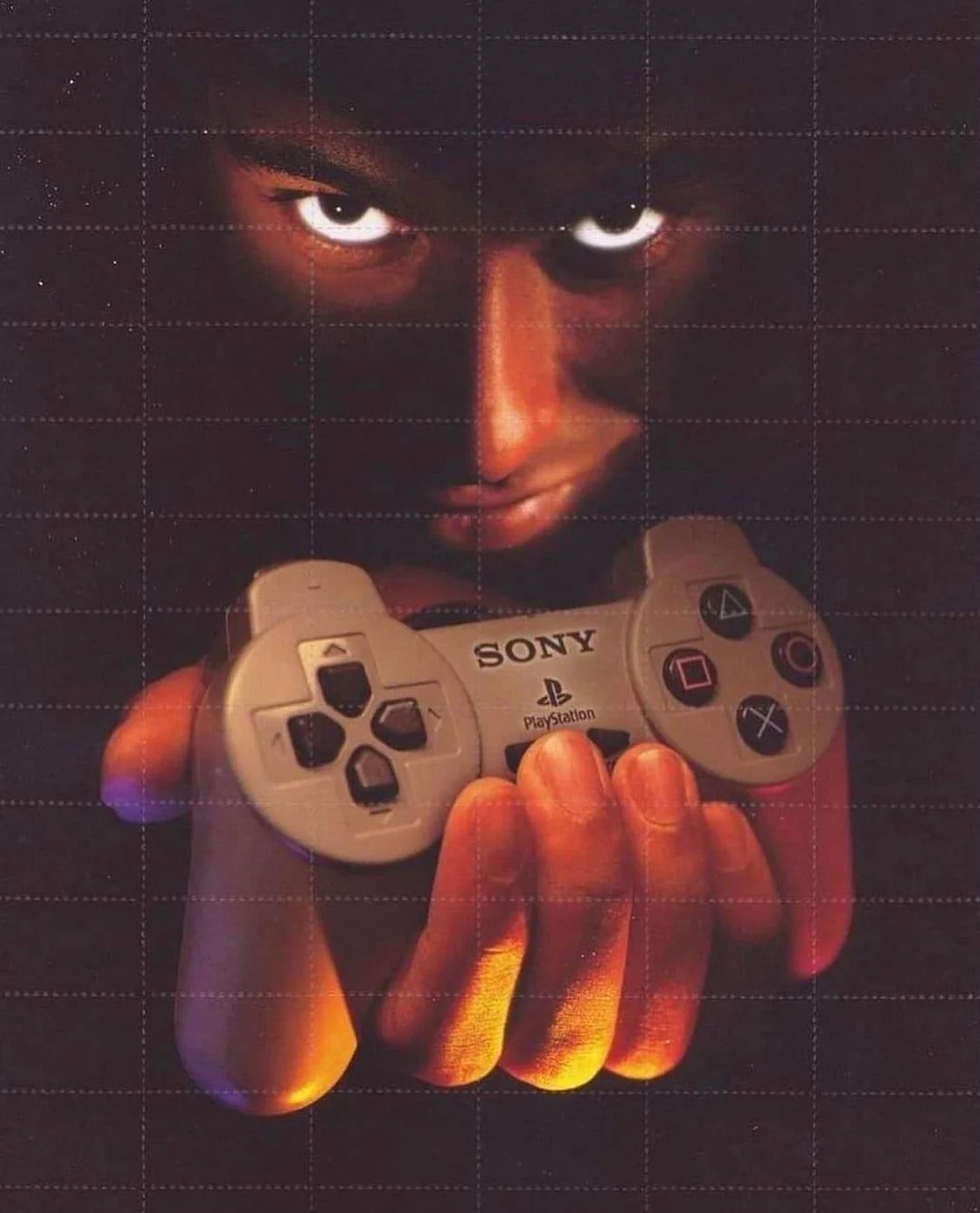

The console’s success was accelerated by games that became cultural events online such as:
-
Final Fantasy VII (1997)
-
Resident Evil 2 (1998)
Tony Hawk’s Pro Skater (1999)
Additionally the growth of fan sites like GameFAQs allowed for public discourse of the playstation's place within the scene, and with the unsuccessful release of the Saturn, Sega began to struggle which created panic among fans online thousands of forum posts speculated about the company’s extinction, allowing Sony a larger avenue to spread its wings.
The Transformation of Gaming Journalism
Before the wars, gaming journalism consisted mainly of monthly magazines heavily dependent on advertising revenue, with reviews often being promotional, and the audience had few ways to respond. The internet’s nearly instant transmission of information disrupted this dynamic, allowing for more diverse opinions to show their faces.
In 1995, the GameFAQs platform launched for fans to ask and answer questions, as well as publish their own strategy guides. Writers like David "marshmallow" Gibbons, became the earliest form of gaming influencers, writing detailed guides, walkthroughs and reviews of games quickly after they came out.
IGN and GameSpot began delivering news in near-real-time, especially during the gaming conference and convention E3, where fans could instantly critique announcements. When Sega surprise-launched the Saturn early in 1995, which failed due to technical limitations and inaccessibility in stores, backlash erupted first online, becoming one of the first real-time online events where corporations faced consumer backlash.
Additionally, ROM-dumping sites were created in response to fans’ debates about preserving media long before publishers made such arguments. This shift in the speed of journalism directly led to modern influencer culture, where social media personalities shape consumer product perception faster than traditional critics.
The Language Which Perisist
Choosing a console in the 1990s became a declaration of taste, maturity, and cultural allegiance more than it did which piece of hardware you preferred, with conflicts serving as a social bonding activity. Debating with strangers online became a pastime for some, ‘roasting’ and sarcasm became standard communication tools within the internet’s syntax, an idea that still perists to this day
Online users on platforms such as 4chan, Reddit, and Twitter realized that ridicule could function as a rhetorical strategy, which was faster, funnier, and more memorable than standard technical debate. That same dynamic still characterizes contemporary online culture, where memes are often used to influence political discussions, and entertainment discourse more powerfully than formal arguments.
Nearly every form of online fandom now operates using principles refined during the console wars. Product comparisons have become central to tech fandom. Apple vs. Android debates often mirror SNES vs. Genesis fights, focusing more on status and the platform’s ideologies of the consumer rather than technical debates, all complete with memes and unnecessary hostility towards the other side.
The decision-making of gaming corporations is now often shaped by the same fan backlash pressure that caused the Sega Saturn’s Collapse. A contemporary example being Sony announcing all Helldivers 2 players on PC would need to link their steam account to their PlayStation Network (PSN) account in 2024, causing mayhem especially within regions where the PSN was not fully supported. The constant backlash caused Sony to reverse the mandatory requirement.
Conclusion
The 1990s console wars still remain one of the most influential entertainment rivalries in modern cultural history because of the behaviors they inspired. Nearly every aspect of today’s internet culture. Loyal corporate fandoms, meme propaganda, toxic comment sections, social media reporting, and communal backlash were all shaped by the battleground that was created by this seemingly harmless corporate rivalry. What began as a dispute over plastic cartridges and animated mascots produced a structural blueprint for how people interact online which persists today.
When someone posts a console comparison meme or declares a brand allegiance in a Twitter thread, they are participating in rituals that began decades ago. Bottom line is, the console wars didn't just influence gaming, they taught the internet how to argue about everything.
Nearly every aspect of today’s internet culture. Nearly every aspect of today's internet culture, including loyal corporate fandoms, meme propaganda, toxic comment sections, social media reporting, and communal backlash, was shaped by the battleground created by this seemingly harmless corporate rivalry. Discourse that began as arguments over mascots and ancient consoles turned into the blueprint for how people interact online. When someone posts a meme comparing two products or pledges allegiance to a brand, they're participating in traditions that started decades ago. The Bottom line is, the console wars didn't just influence gaming, they taught the internet how to argue about everything